Beyond Words: Why Your Miami Brand Needs Cultural Adaptation, Not Just Translation
By ITU Translation Services · Published 2026-02-17 · Updated 2026-04-03
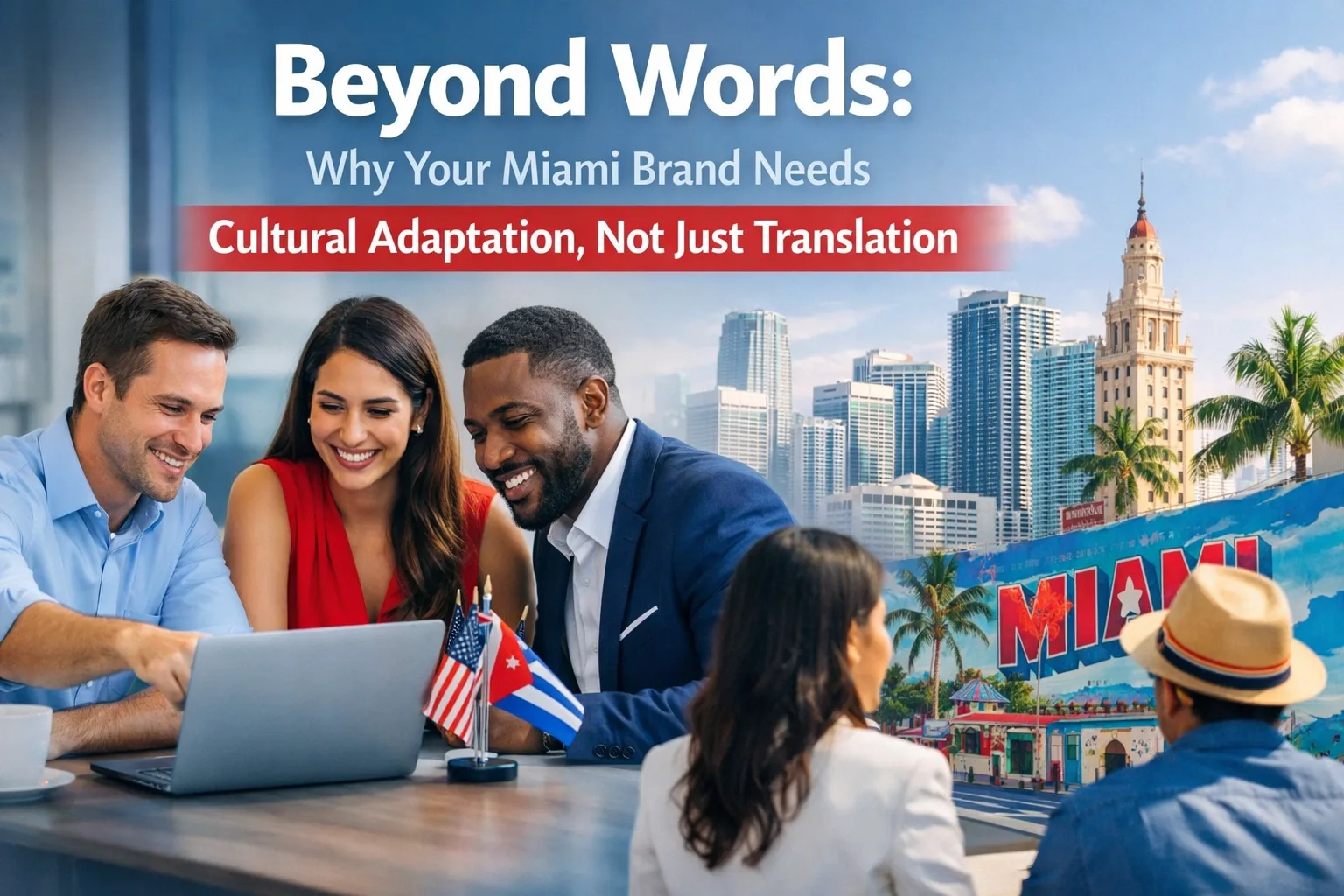
If you’ve ever tried launching a campaign in Miami using straight-up translations from English to Spanish, or any other language, you’ve probably learned the hard way that word-for-word conversions don’t cut it here. Miami isn’t just bilingual. It’s a cultural kaleidoscope where Venezuelan arepas sit next to Haitian griot, Brazilian beats mix with Cuban son, and every neighborhood tells its own story.
Your brand can’t thrive here by simply swapping out words. You need cultural adaptation: the art of reshaping your message so it resonates authentically with Miami’s incredibly diverse communities.
Why Translation Alone Will Tank Your Miami Campaign
Translation handles language. Cultural adaptation handles everything else, and in Miami, “everything else” is where the magic (or the mess) happens.
Think about it. You can translate “Happy Holidays” into Spanish perfectly, but does that phrase land the same way in Little Havana during Nochebuena as it does in Doral during Three Kings Day? Not even close. One-size-fits-all campaigns fall flat in Miami because they ignore the deeper values, traditions, and emotional triggers that different communities hold sacred.
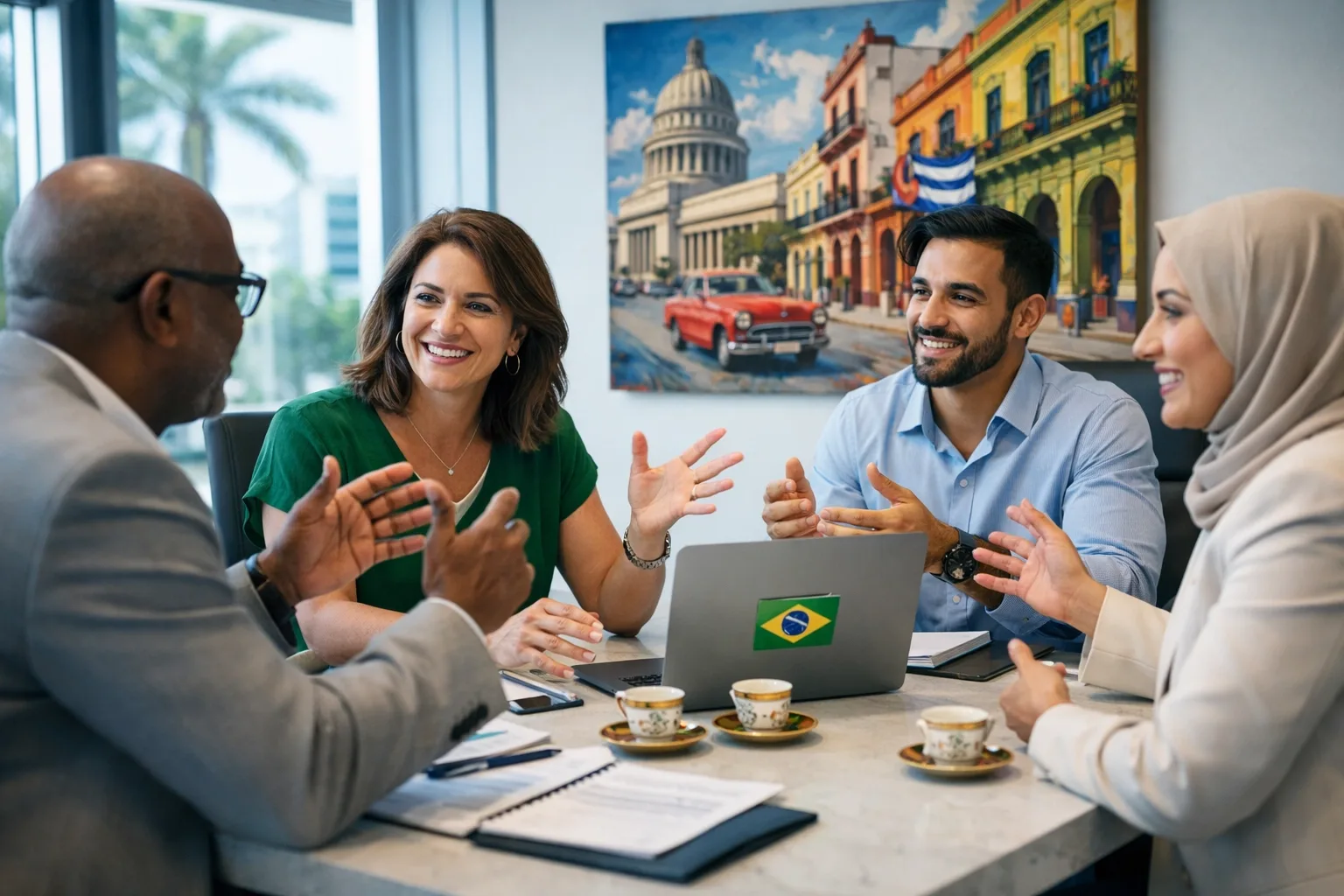
In fact, one of the biggest branding mistakes Miami businesses make is either ignoring multilingual audiences entirely or handling them with surface-level translations that scream, “We don’t really get you.” That kind of disconnect doesn’t just hurt your brand image: it actively pushes customers toward competitors who take the time to speak their cultural language.
What Cultural Adaptation Actually Looks Like
Let’s get specific. Cultural adaptation means understanding that what’s considered polite in one community might come off as cold or overly formal in another. Personal space expectations? They differ wildly. A firm handshake works in some circles; a warm double-cheek kiss is expected in others.
Here are some real-world examples of cultural nuances Miami brands need to nail:
Customer Service Style: Venezuelan clients in Doral might expect a more formal, respectful tone, while Brazilian customers in Aventura often prefer a warmer, more personal approach. Your customer service scripts need to flex accordingly.
Holiday Marketing: Are you celebrating only the “big” American holidays? You’re missing opportunities. Diwali matters to the growing Indian community in Kendall. Hanukkah resonates in Aventura and Sunny Isles. Cinco de Mayo (despite popular belief, not Mexican Independence Day) connects with Mexican-American families, while Colombian Independence Day hits home in Weston.
Visual Identity: Stock photos of generic office workers won’t cut it. Miami audiences want to see themselves reflected: the vibrant colors of Calle Ocho, the beachfront culture of South Beach, the entrepreneurial energy of Brickell. Your visuals should tell them, “We’re part of your world.”
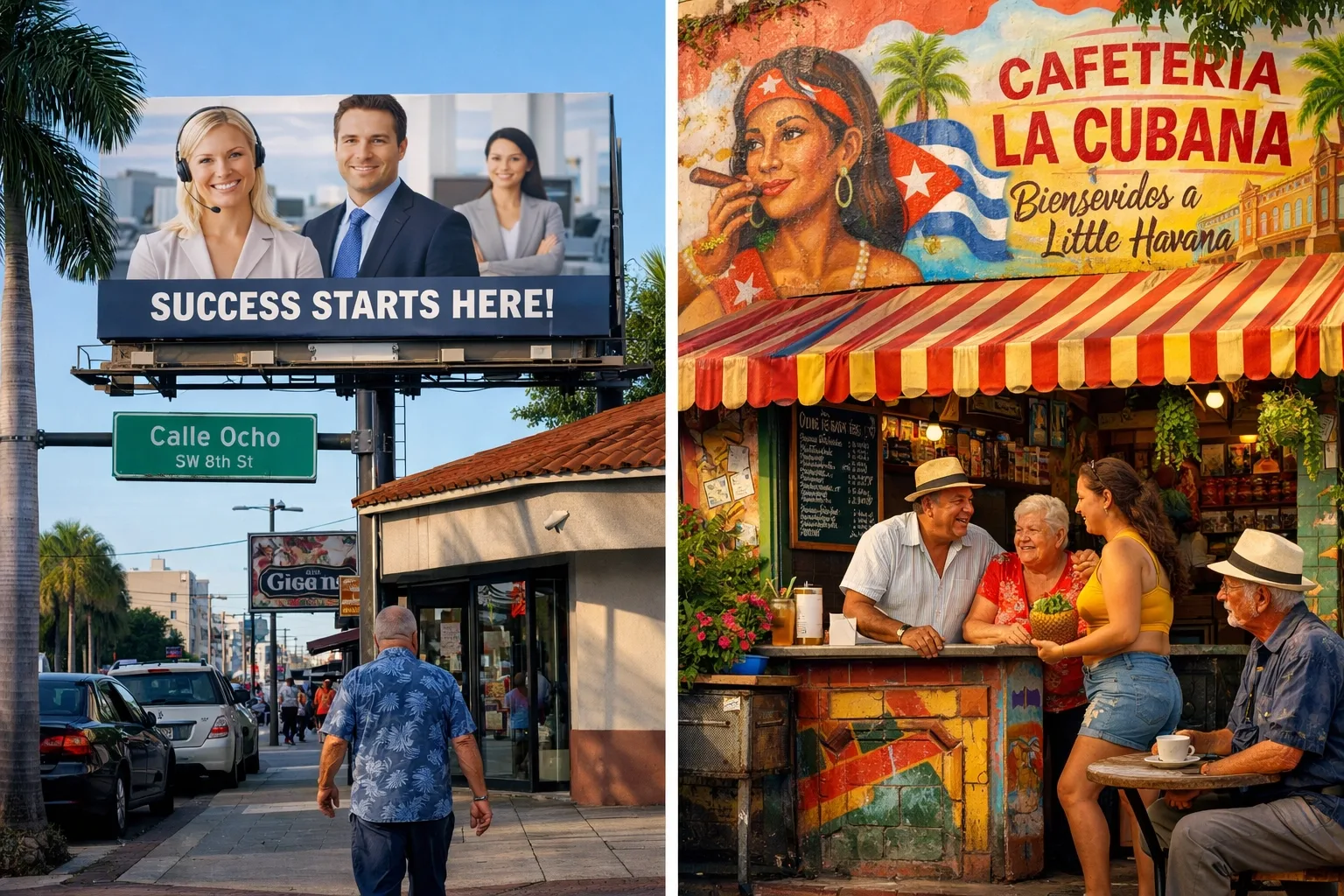
Local Slang and Idioms: Miamians have their own linguistic flavor. “Dale” isn’t just a word: it’s a vibe. “Croqueta” isn’t just a snack: it’s a cultural touchstone. Using these references authentically (not awkwardly) shows you understand the local scene.
The Trust Factor: Why Miamians Can Spot a Fake
Here’s the thing about Miami: people here have highly tuned BS detectors. They’ve seen too many national brands roll into town with generic “Hispanic marketing” that treats all Latinos as one monolithic group (spoiler: they’re not). They’ve watched companies awkwardly use Google Translate and call it localization.
Miamians value genuineness above almost everything else. They want brands that participate in their communities, understand their traditions, and respect their cultural identity. Overly promotional messaging gets tuned out fast. Authentic engagement? That builds loyalty that lasts for generations.
When International Translations USA works with Miami brands, we’re not just converting words: we’re helping companies build cultural bridges. That means understanding the difference between Cuban Spanish and Colombian Spanish, knowing which neighborhoods celebrate which traditions, and adapting messaging so it feels locally relevant rather than imported from corporate headquarters in Atlanta or New York.
Neighborhood-Specific Cultural Adaptation
Miami isn’t one market. It’s dozens of micro-markets, each with its own cultural identity. Your brand strategy needs to reflect that reality.
Little Havana: Here, cultural pride runs deep. Campaigns that honor Cuban heritage, reference classic landmarks like Domino Park, and understand the multigenerational family structure tend to perform well. Language matters, but so does demonstrating respect for tradition and community bonds.
Brickell: This is Miami’s financial district: international, cosmopolitan, fast-paced. Your messaging here should reflect sophistication and global savvy. Many residents are international professionals, so cultural adaptation might mean speaking to their experience of navigating multiple cultures simultaneously.
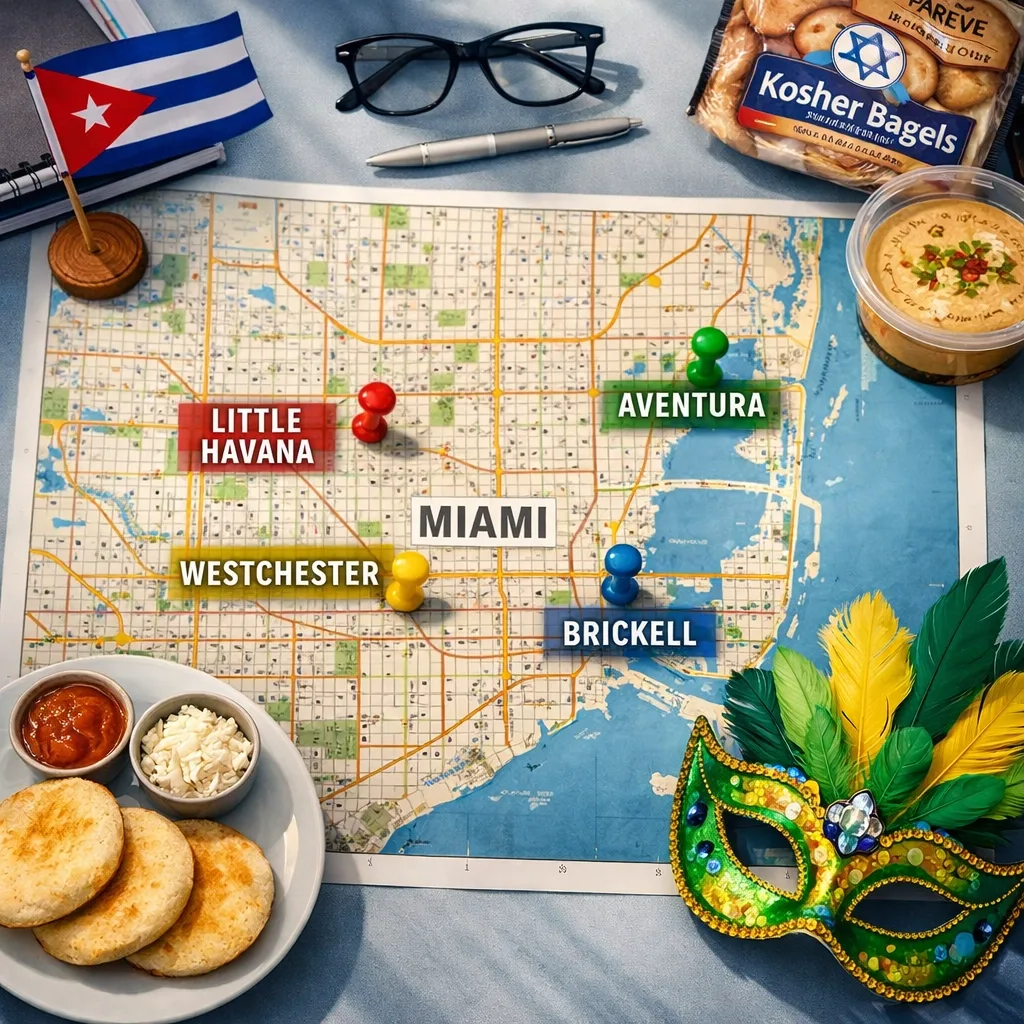
Aventura: With a significant Jewish and Russian population, brands succeed here by recognizing holidays like Rosh Hashanah and Passover, understanding kosher dietary preferences, and creating marketing that speaks to both American and Eastern European cultural touchpoints.
Westchester/Sweetwater: Heavy Nicaraguan and Venezuelan presence means understanding political sensitivities, recognizing specific national holidays, and demonstrating cultural competency around their distinct Spanish dialects and food traditions.
The Cost of Getting It Wrong
Let’s talk about what happens when brands skip cultural adaptation and go straight to basic translation.
You lose trust immediately. Customers see through lazy localization efforts, and in Miami’s tight-knit communities, word spreads fast. One culturally tone-deaf campaign can damage your brand reputation across entire neighborhoods.
You waste marketing dollars. If your message doesn’t resonate culturally, it doesn’t matter how much you spend on ads. You’re essentially throwing money at campaigns that your target audience will scroll right past.
You miss business opportunities. Miami’s multicultural market represents billions in purchasing power. When you fail to connect culturally with these communities, you’re leaving massive revenue on the table while culturally savvy competitors scoop up the business.
How to Implement Real Cultural Adaptation
Ready to do this right? Here’s your game plan:
Hire Cultural Insiders: Whether that’s multicultural marketing specialists, community liaisons, or translation agencies with deep local roots (hint, hint), you need people who live and breathe Miami’s cultural diversity. Cultural competency isn’t something you pick up from a webinar: it requires genuine immersion.
Engage at the Community Level: Sponsor local cultural events. Participate in neighborhood festivals. Show up at community centers. This isn’t just good PR: it’s essential market research that helps you understand what actually matters to different groups.
Test Everything Locally: Before launching a campaign across Miami, test it with focus groups from your target communities. What sounds great in the boardroom might completely miss the mark with actual customers. Get feedback early and adjust accordingly.
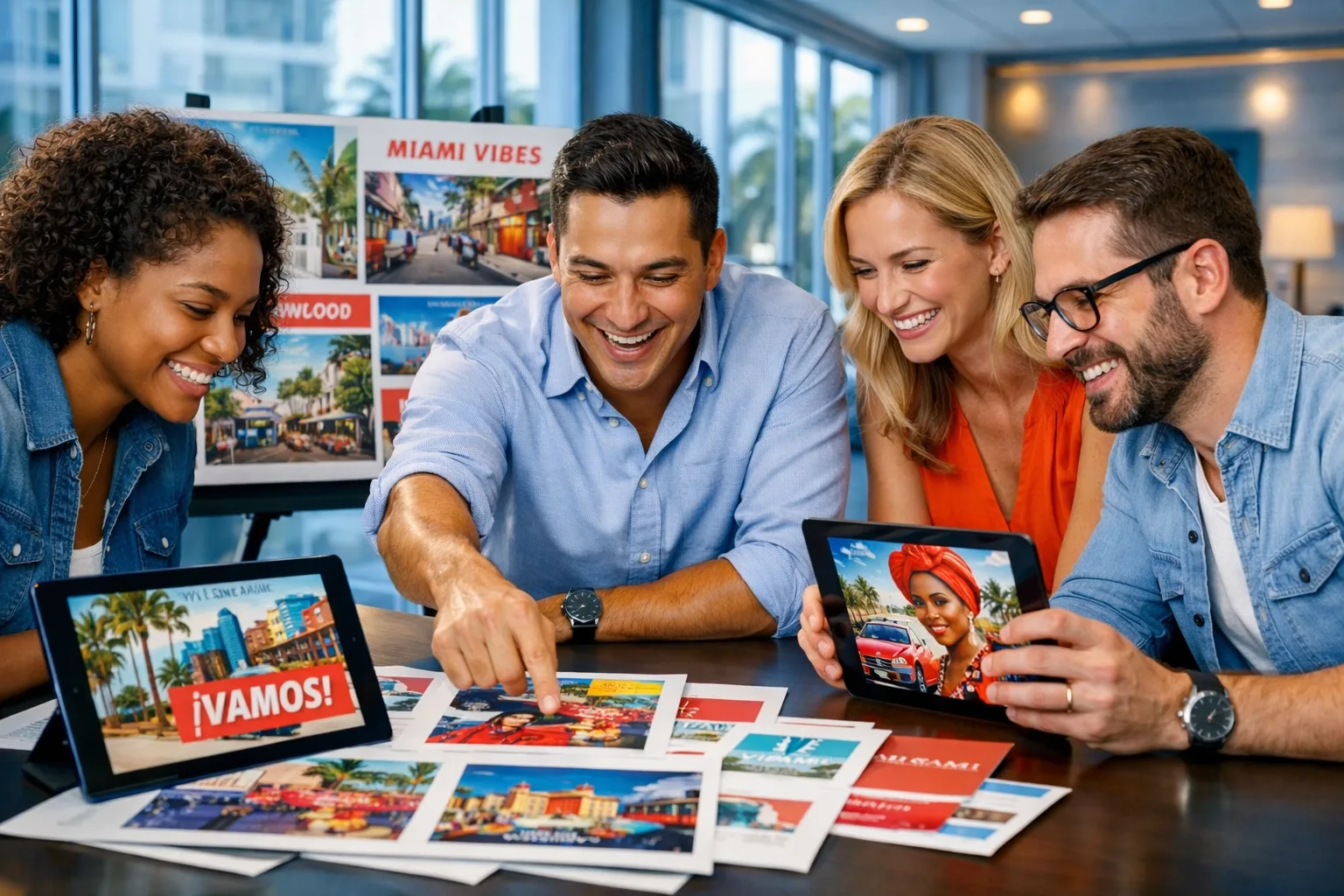
Create Content That Celebrates Diversity: Don’t just acknowledge Miami’s multiculturalism: celebrate it. Feature real stories from different communities. Highlight cultural traditions. Make your content strategy a reflection of the city’s incredible diversity rather than a tokenistic nod to it.
Partner with Cultural Adaptation Experts: This is where working with a professional service makes the difference between amateur hour and an authentic connection. At International Translations USA, we combine linguistic expertise with deep cultural knowledge to help Miami brands communicate authentically across communities.
Beyond Marketing: Cultural Adaptation in Operations
Cultural adaptation isn’t just a marketing concern: it affects your entire business operation in Miami.
Hiring and HR: Understanding cultural expectations around work-life balance, communication styles, and workplace hierarchy helps you build stronger teams and reduce turnover.
Customer Experience: Training your staff to recognize and respect cultural differences in customer interactions improves satisfaction scores and builds loyalty.
Product Development: Sometimes cultural adaptation means adjusting your actual offerings. Menu items that work in other markets might need tweaking for Miami tastes. Service packages might need restructuring to align with how different communities prefer to do business.
Your Miami Cultural Adaptation Checklist
Ready to level up your brand’s cultural game? Start here:
- Audit your current marketing materials for cultural blind spots and generic translations
- Map out Miami’s key cultural communities relevant to your business
- Identify cultural holidays, traditions, and values important to your target audiences
- Review your visual content for authentic local representation
- Test your customer service protocols across different cultural contexts
- Build relationships with cultural community leaders and organizations
- Partner with cultural adaptation specialists who understand Miami’s unique landscape
Making It Happen
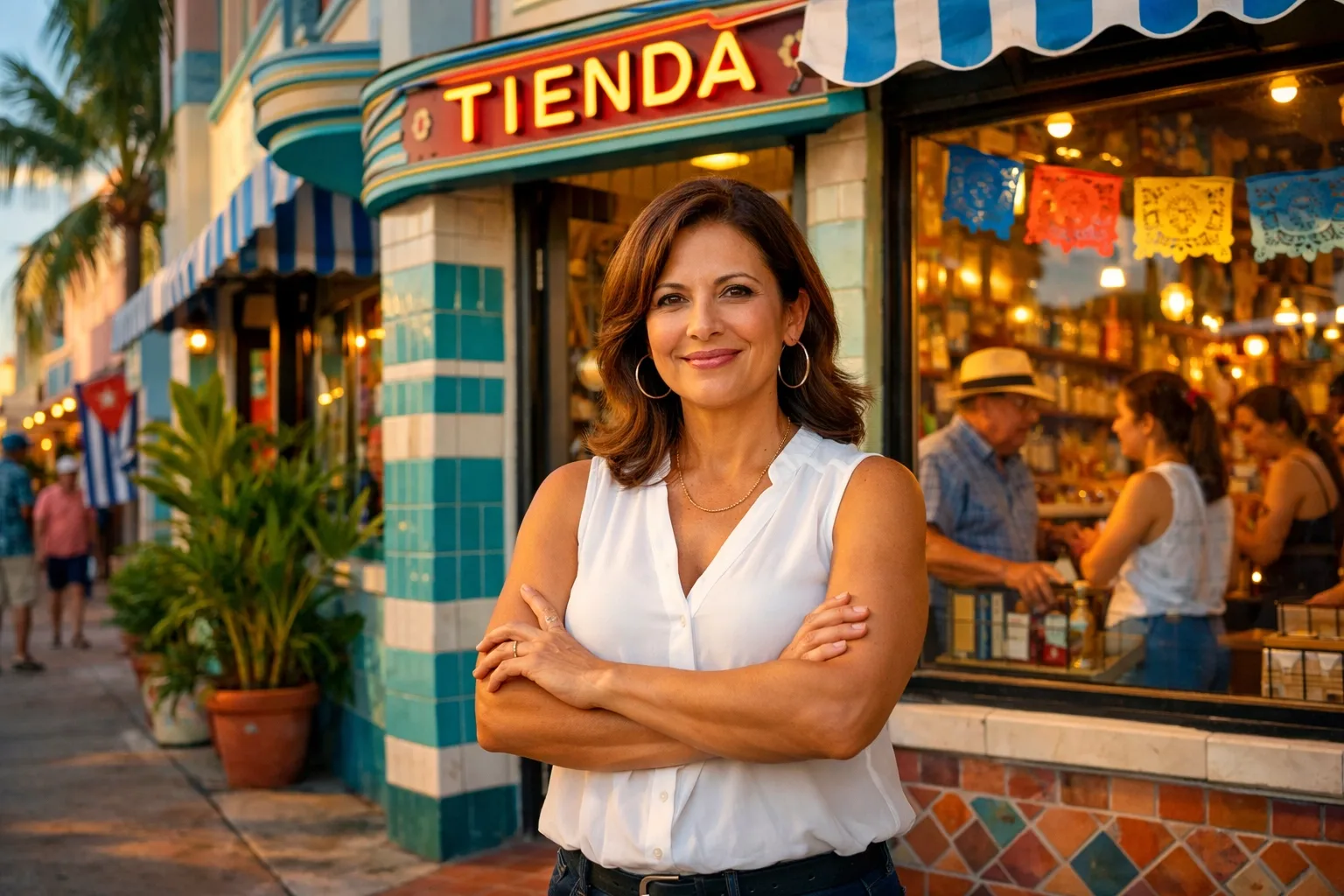
Cultural adaptation takes effort, but in Miami, it’s non-negotiable for brands that want to build lasting relationships with customers. The good news? Once you get it right, you’re not just improving marketing ROI: you’re becoming a genuine part of Miami’s cultural fabric.
Need help navigating Miami’s complex cultural landscape? International Translations USA brings decades of experience helping brands connect authentically with Miami’s diverse communities. We go beyond translation to deliver true cultural adaptation that resonates locally and drives results.
Get in touch to discuss how we can help your brand speak Miami’s many languages, literally and culturally.
ITU Translation Services
ATA corporate member and BBB A+ rated translation agency in Miami, FL. Certified translations in 120+ languages, accepted by USCIS, courts and institutions nationwide since 2017.


Need a certified translation?
Free quote in minutes — USCIS acceptance guaranteed.