New Florida Accessibility Standards: Why Your Miami Business Needs Compliant Subtitling & Captioning in 2026
By ITU Translation Services · Published 2026-01-20 · Updated 2026-04-03
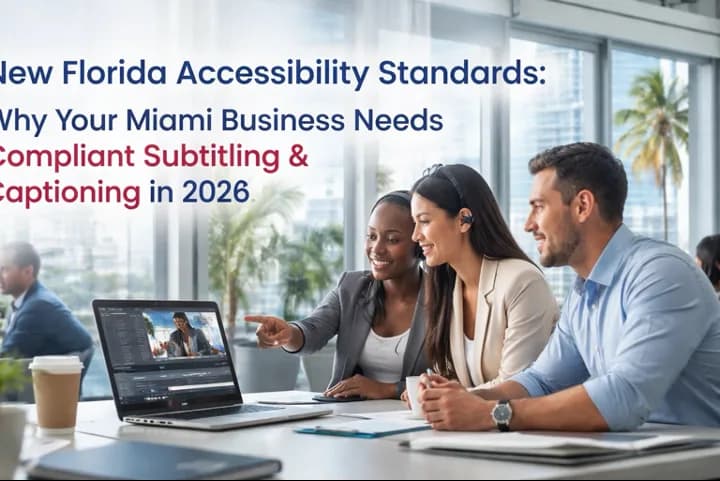
If your Miami business uses video content: whether for training, marketing, client communications, or e-learning: 2026 is the year to get serious about accessibility compliance. Florida businesses are increasingly targeted in ADA-related lawsuits, and the rules around digital accessibility are only getting stricter.
The good news? Getting your subtitling and captioning right doesn’t have to be complicated. But it does require understanding what’s at stake, who’s affected, and how to work with the right translation services in Miami to stay compliant.
Let’s break down what you need to know.
The 2026 Accessibility Landscape in Florida
Digital accessibility isn’t a new concept, but enforcement has ramped up significantly in recent years. Under the Americans with Disabilities Act (ADA) and its implementing regulations, businesses must ensure their digital content is accessible to people with disabilities. This includes websites, apps, and yes: video content.
The current industry standard is WCAG 2.1 (Web Content Accessibility Guidelines), which sets specific requirements for multimedia accessibility. These guidelines require captions for pre-recorded video, audio descriptions for visual content, and transcripts for audio-only media.
Florida has seen a surge in accessibility-related lawsuits, with businesses of all sizes finding themselves on the receiving end of legal action. Miami-Dade County businesses are particularly vulnerable given the region’s high population density and active legal community.
The bottom line? If your video content isn’t properly captioned and subtitled, you’re exposed to both legal risk and reputation damage.
Why Miami Businesses Can’t Afford to Ignore This
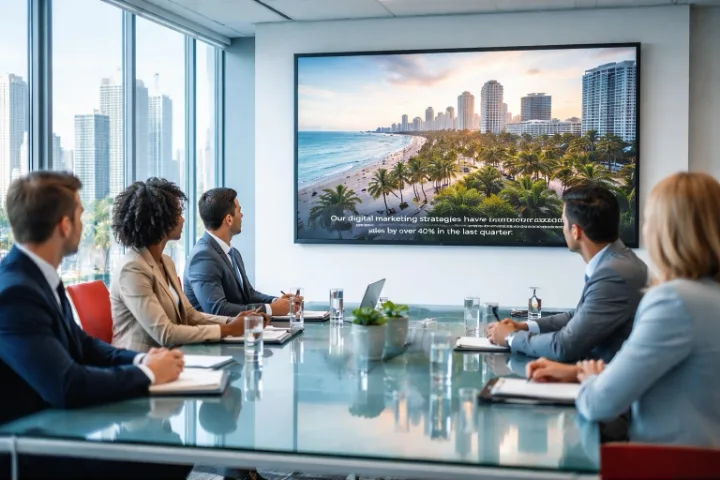
Miami isn’t just any American city. It’s a multicultural hub where Spanish, Haitian Creole, Portuguese, and dozens of other languages are spoken daily. This diversity creates unique opportunities: and unique challenges: when it comes to accessibility.
Here’s why this matters for your business:
Legal liability is real. ADA compliance isn’t optional. Businesses that fail to provide accessible content can face lawsuits, settlements, and ongoing legal fees. Florida ranks among the top states for ADA-related digital accessibility claims.
Your audience expects it. Today’s consumers: especially younger demographics: expect brands to be inclusive. Accessible content isn’t just about compliance; it’s about showing your community that you value everyone.
SEO benefits are significant. Search engines can’t watch videos, but they can read captions and transcripts. Properly captioned content ranks better, reaches more people, and drives more organic traffic to your site.
Miami’s multilingual market demands it. When you add subtitles in Spanish, Creole, or Portuguese, you’re not just being accessible: you’re expanding your reach to millions of potential customers and clients who prefer content in their native language.
Who Needs Compliant Subtitling and Captioning?
Let’s look at the Miami industries where accessibility compliance is most critical.
Legal Firms
Law firms in Brickell, Coral Gables, and across Miami-Dade regularly produce video content for client education, depositions, and internal training. If your firm serves Spanish-speaking clients: and in Miami, most do: subtitled content isn’t just helpful. It’s essential for clear communication and potential court submissions.
When choosing a translation agency in Miami for legal captioning, accuracy is non-negotiable. A single mistranslated word can change the meaning of testimony or create liability for your firm. Be sure to review our guide on spotting red flags when choosing translation services to protect your practice.
Healthcare Providers
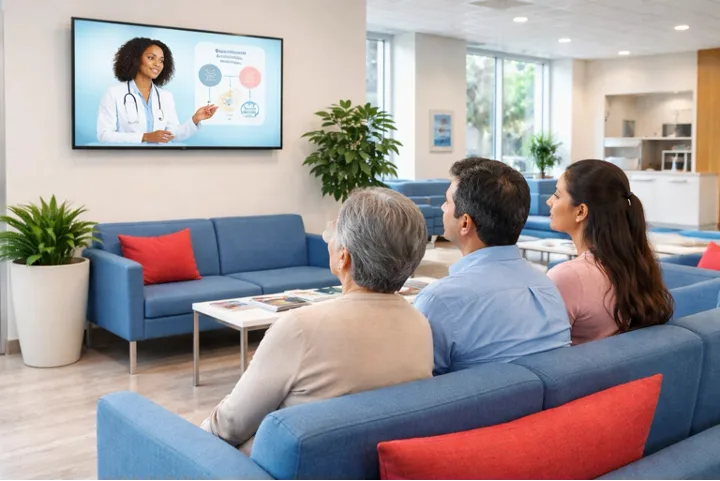
HIPAA-compliant captioning is a must for Miami’s hospitals, clinics, and telehealth providers. Patient education videos, consent forms, and telehealth consultations all need accessible options for deaf and hard-of-hearing patients.
Additionally, Miami’s diverse patient population often needs subtitles in multiple languages. A Spanish-speaking patient watching a post-operative care video deserves the same quality information as an English speaker.
Corporate and HR Departments
Employee training videos, onboarding materials, and corporate communications all fall under accessibility requirements. This is especially true for large Miami employers subject to federal contractor guidelines or companies with diverse workforces.
Accessible training content also improves comprehension and retention across your entire team: not just employees with disabilities.
E-Learning and Education
Miami’s growing ed-tech sector and numerous educational institutions produce enormous amounts of video content. From K-12 schools to universities to corporate training platforms, accessibility compliance is mandatory under both ADA and Section 508 requirements.
E-learning content without proper captions excludes students with hearing impairments and fails to serve non-native English speakers who rely on subtitles to follow along.
AI Captioning vs. Professional Human Services: What Actually Works?
With so many AI captioning tools on the market, you might wonder if you even need a professional translation agency in Miami. The short answer: you probably do.
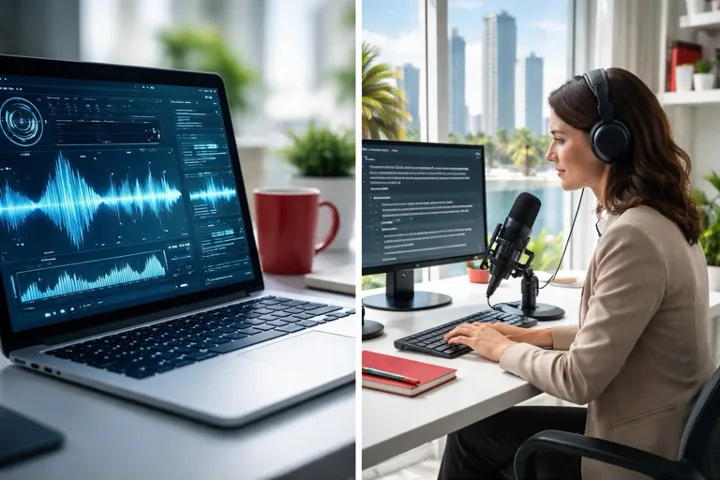
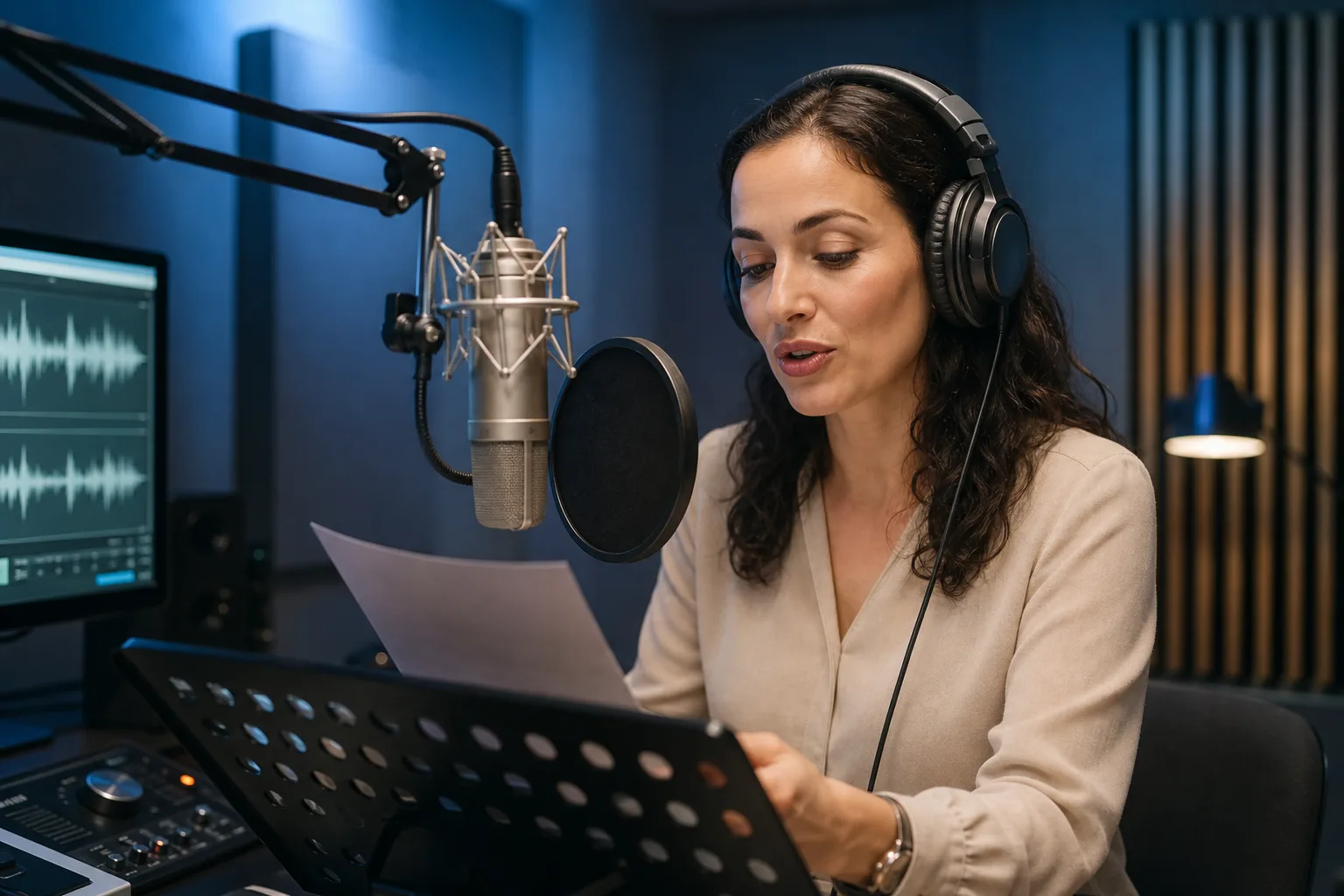
AI captioning has improved dramatically, and it can be useful for quick, internal content where perfect accuracy isn’t critical. But for anything client-facing, legally significant, or publicly distributed, AI alone falls short.
Here’s why:
Accuracy matters. AI tools struggle with accents, industry jargon, background noise, and overlapping speakers. A medical procedure explained incorrectly due to AI error could have serious consequences.
Context is everything. AI doesn’t understand the difference between “their,” “there,” and “they’re” in context. Human editors catch these errors before they embarrass your brand.
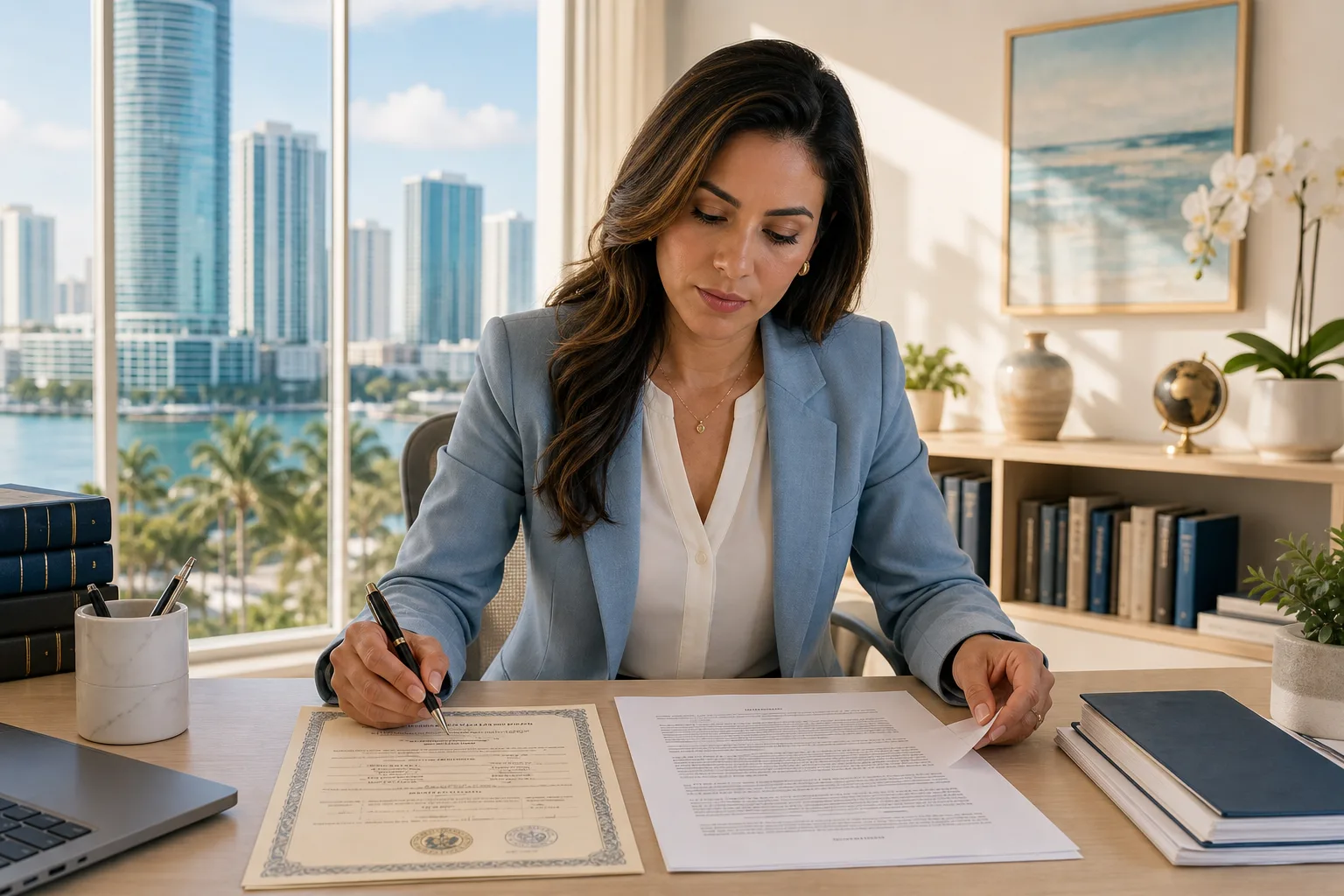
Compliance requires certification. For legal, medical, and government documents, you often need certified translation and captioning services. AI can’t provide the certifications and attestations that official submissions require.
Multilingual content needs human nuance. Translating captions from English to Spanish isn’t just about swapping words. It’s about capturing tone, cultural references, and regional dialect differences. Miami Spanish is different from Mexican Spanish or Castilian Spanish: and your audience will notice.
For a deeper dive into when AI works and when you need human expertise, check out our article on AI translation vs. human experts.
How to Ensure Your Content Meets 2026 Standards
Ready to get compliant? Here’s a practical roadmap for Miami businesses:
Step 1: Audit Your Existing Video Content
Start by cataloging all the video content your organization produces or hosts. This includes:
- Website videos
- Social media content
- Training and onboarding materials
- Webinars and recorded presentations
- Client-facing educational content
Identify which pieces are missing captions, have auto-generated captions that need review, or need multilingual subtitles.
Step 2: Prioritize High-Impact Content
You don’t have to fix everything at once. Focus first on:
- Content with the highest traffic or visibility
- Legally required materials (patient education, employee training)
- Content used in sales or client acquisition
Step 3: Choose the Right Partner
Working with a professional translation services provider in Miami ensures your captions meet WCAG 2.1 standards and any industry-specific requirements. Look for a partner who offers:
- Certified translation and captioning services
- Native-speaking linguists familiar with Miami’s dialect variations
- Fast turnaround for urgent projects
- Experience with your industry (legal, medical, corporate, etc.)
Step 4: Implement a Process for New Content
Accessibility shouldn’t be an afterthought. Build captioning and subtitling into your video production workflow from the start. This saves time, reduces costs, and ensures every piece of content you publish is compliant from day one.
Step 5: Review and Update Regularly
Accessibility standards evolve, and so should your content. Schedule regular reviews to catch outdated information, fix errors, and add new language options as your audience grows.
Why Miami Businesses Trust International Translations USA
At International Translations USA, we’ve spent years helping Miami businesses navigate the complexities of translation, interpretation, and accessibility compliance. Our team includes certified linguists who specialize in legal, medical, and corporate content: and who understand the unique needs of South Florida’s diverse communities.
Whether you need WCAG-compliant captioning for a training video, multilingual subtitles for a marketing campaign, or certified translations for official documents, we deliver accurate, professional results on your timeline.
We’re not just another translation agency in Miami. We’re your partner in reaching every member of your audience: clearly, professionally, and compliantly.
Take the Next Step
Don’t wait for a lawsuit or a missed opportunity to prioritize accessibility. Get your video content compliant now and position your business as a leader in inclusive communication. Ready to discuss your captioning and subtitling needs? Request a free quote today, or contact ourMiami team to learn how we can help your business thrive in 2026 and beyond.
ITU Translation Services
ATA corporate member and BBB A+ rated translation agency in Miami, FL. Certified translations in 120+ languages, accepted by USCIS, courts and institutions nationwide since 2017.

Need a certified translation?
Free quote in minutes — USCIS acceptance guaranteed.