How to Choose the Best Notarized Translation Services Near Me (Miami Comparison Guide)
By ITU Translation Services · Published 2026-02-02 · Updated 2026-04-03
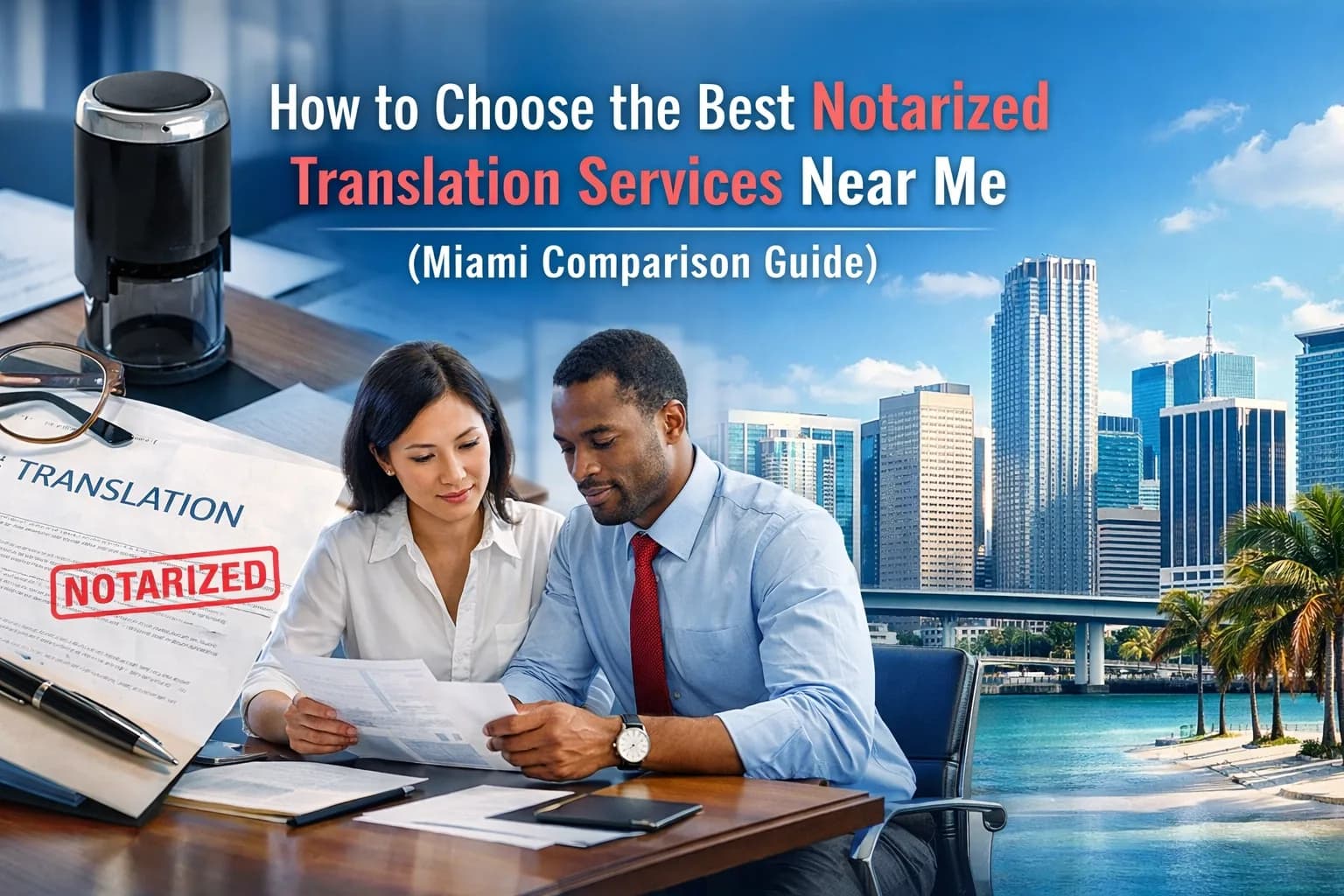
When you’re searching for “notarized translation services near me” in Miami, you’re probably dealing with something important: immigration paperwork, legal proceedings, or business documents that need to be perfect. The good news? Miami has plenty of translation providers. The challenge? Figuring out which one actually deserves your business and your trust.
Let’s cut through the noise and break down exactly what you should be looking for when comparing document translation services in Miami, FL
First Things First: Do You Actually Need Notarization?
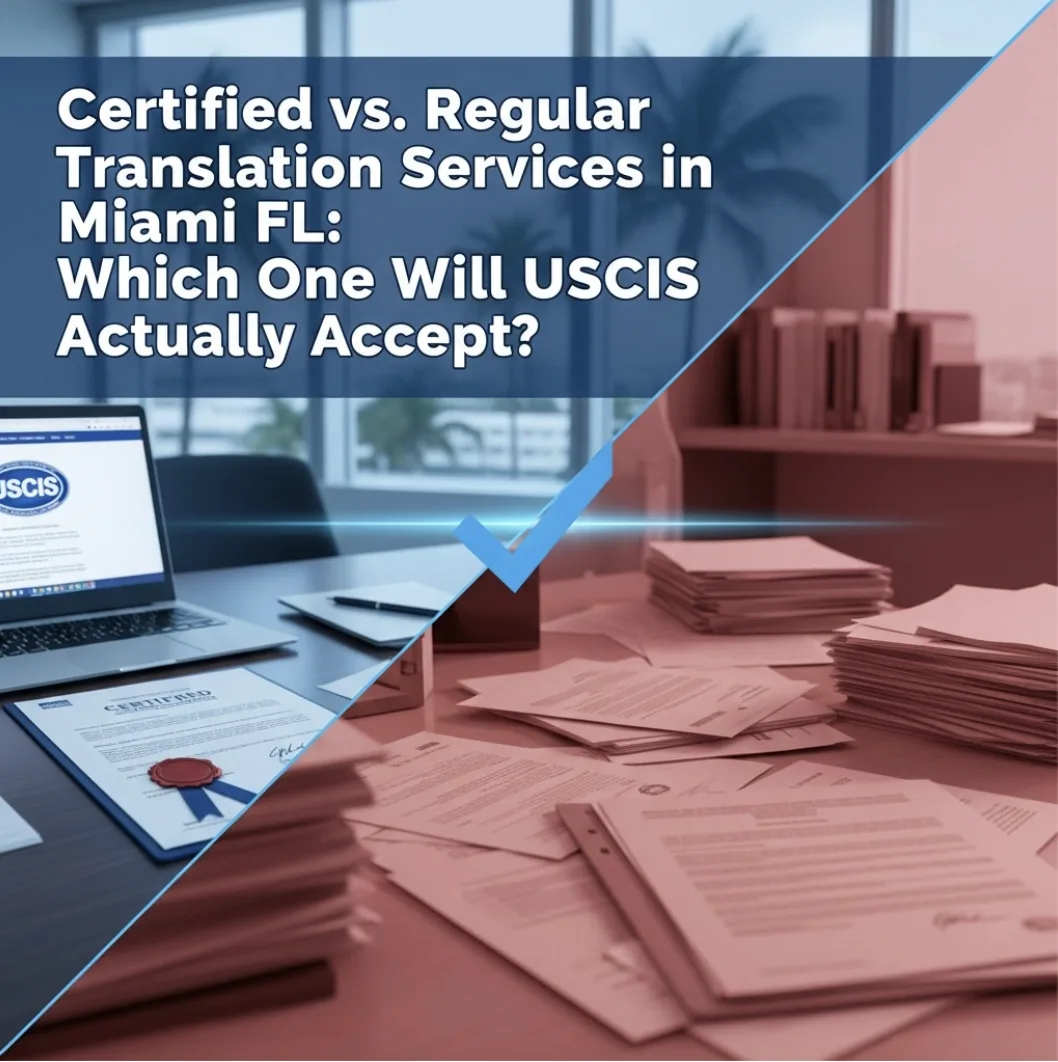
Before we dive into comparisons, let’s clear up a common misconception. A notarized translation and a certified translation aren’t the same thing, and knowing the difference can save you time and money.
A certified translation comes with a signed statement from the translator affirming that the translation is accurate and complete. This is what USCIS, courts, and most official institutions actually require. Notarization, on the other hand, simply verifies the translator’s identity and signature. It doesn’t verify the accuracy of the translation itself.
Here’s the thing: many translation services Miami providers will offer both, but you might only need one. For USCIS applications, a certified translation is typically sufficient. For certain legal proceedings or international use (especially countries that are part of the Hague Convention), you might need notarization plus an apostille.
If you’re not sure what your specific situation requires, check out our guide on common red flags when choosing translation services to avoid costly mistakes.

The Non-Negotiable Credentials You Should Demand
When comparing notarized translation services near me, certification credentials should be at the top of your checklist. Here’s what actually matters:
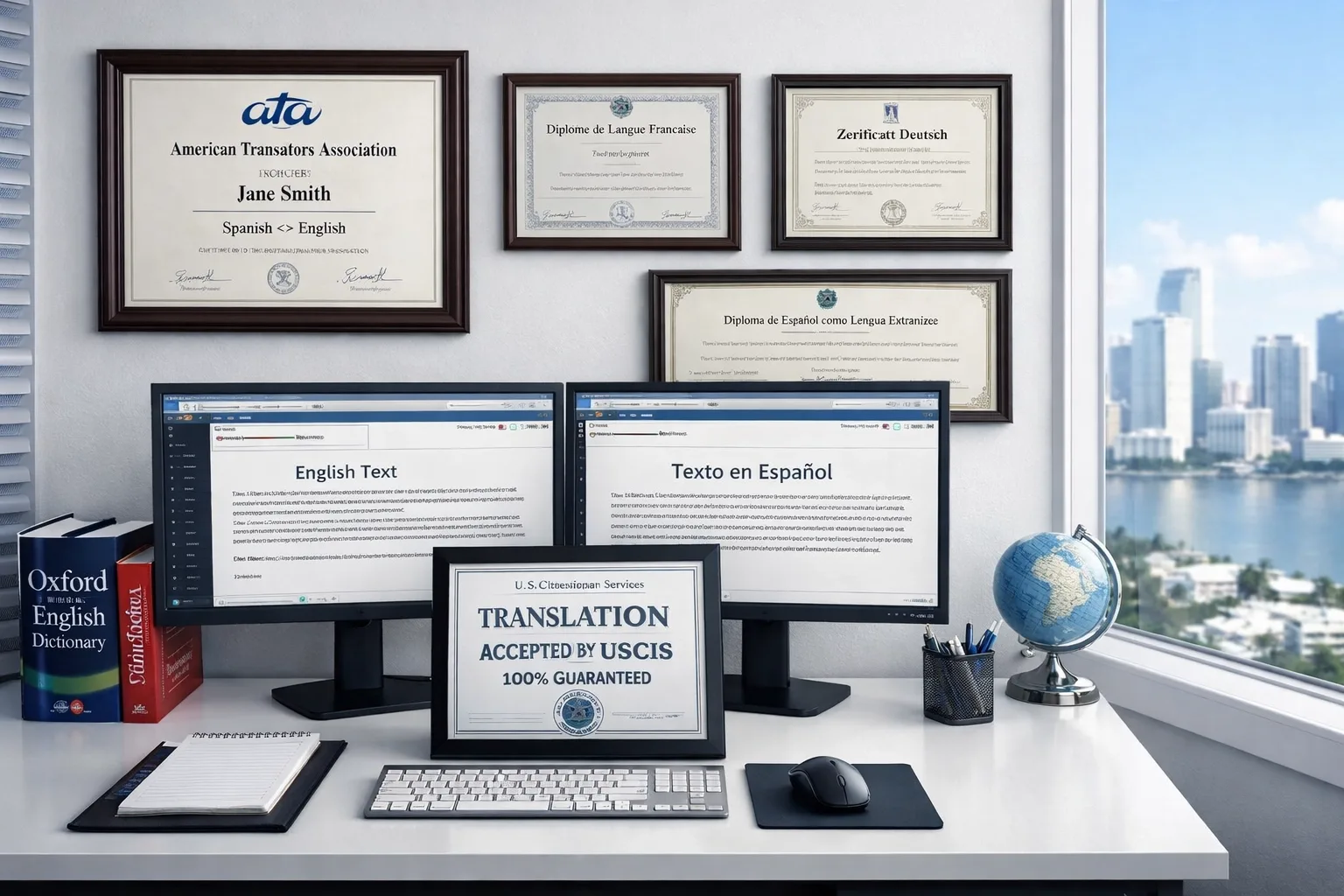
ATA Certification: The American Translators Association sets rigorous professional standards. ATA certified translators have proven their expertise through comprehensive exams. While not every excellent translator is ATA-certified, it’s a strong indicator of quality and professionalism.
USCIS Acceptance Guarantee: If you’re dealing with immigration documents, you need absolute certainty that your translation will be accepted. Reputable providers will explicitly guarantee USCIS acceptance. This isn’t just marketing speak: it means they understand the specific formatting, certification statement requirements, and quality standards USCIS demands.
Court Admissibility: Even if you’re not currently involved in legal proceedings, choosing a provider whose work is court-admissible ensures you’re getting translation that meets the highest standards. This credential means their translations have been tested in real legal situations across Miami-Dade and Broward counties.
Local Miami/Broward Expertise: This is more important than you might think. A provider familiar with Miami’s unique linguistic landscape—from Cuban Spanish dialects in Little Havana to Haitian Creole in North Miami—will deliver more culturally appropriate and accurate translations. They’ll also understand local filing requirements for Miami-Dade County courts or Broward County administrative offices.
Speed vs. Cost: Finding Your Sweet Spot
One of the biggest decisions you’ll face when choosing translation services in Miami is balancing turnaround time against your budget. Here’s how to think about it:
Standard Service (3-5 business days): This is typically the most cost-effective option, with prices starting around $20-30 per page for common language pairs like Spanish-English. If you’re planning ahead for your green card application or business registration, standard service gives you the best value.
Rush Service (24-48 hours): Expect to pay 50-100% more for expedited service. But if you just discovered your USCIS interview is in two days, that premium might be worth it. We’ve covered this extensively in our article on getting Miami translations done in 24 hours.
Same-Day Service: Some providers offer same-day delivery, but this usually comes with the highest price tag and may only be available for shorter documents or during business hours. It’s your emergency option, not your default plan. If you’re in a true time crunch, see our guide to Miami emergency translation to understand realistic timelines for USCIS documents during a crisis.
Here’s a reality check: the cheapest option isn’t always the best value. A $15 translation that gets rejected by USCIS will cost you far more in delays, resubmissions, and potential immigration complications than a $35 translation done right the first time.
What to Compare: Your Decision-Making Framework
When you’re evaluating different document translation services in Miami, FL, here are the specific factors to put side-by-side:
Language Pair Availability: Does the provider handle your specific language combination? Some Miami providers specialize in Spanish, Portuguese, and Haitian Creole: the most common languages in South Florida. Others offer 70+ languages. Match their offerings to your needs.
Specialization: Legal translations require different expertise than medical records or technical manuals. Ask providers about their experience with your specific document type. A provider that regularly handles immigration paperwork for Miami’s diverse communities will navigate those documents better than a generalist.
Transparent Pricing: Reputable providers will give you a clear quote upfront, typically based on word count or page count. Be wary of providers who can’t give you even a ballpark estimate without extensive back-and-forth. Hidden fees are a major red flag in this industry.
Revision Policy: Mistakes happen, even with the best translators. What’s the provider’s policy if you spot an error? Do they offer free corrections? How quickly will they fix issues? These details matter when you’re on a deadline.
Physical Location vs. Online-Only: Both models can work well, but having a physical office in Miami or Broward gives you options. Can you drop off sensitive documents in person? Can you pick up your translation the same day? For some situations, that convenience is invaluable.

Miami-Specific Considerations
Living in Miami means you have unique translation needs that providers in other cities might not fully understand. Here’s what to look for in local expertise:
Familiarity with Local Government Offices: Does the provider regularly submit translations to the Miami-Dade County Clerk of Courts? Do they know the specific requirements for Broward County offices? This local knowledge prevents rejections and delays.
Understanding of Miami’s Linguistic Diversity: Miami isn’t just bilingual; it’s multilingual. The Spanish spoken in Hialeah differs from what you’ll hear in Kendall or Westchester. A good Miami provider understands these nuances and can advise you on whether a translation needs to reflect a specific dialect.
Connections to Miami’s Immigration Community: Providers who are active in Miami’s immigration services community often have better insights into current USCIS requirements and processing quirks at the local field office. They might know, for instance, that the Miami USCIS office has been particularly strict about certain certification statement formats lately.
Accessibility for Miami Residents: Can you meet them in Downtown Miami? Do they have hours that work for your schedule? Do they offer consultation in your language? These practical considerations matter when you’re juggling work, family, and immigration proceedings.
Making Your Final Decision
Once you’ve narrowed down your options, here’s a simple process to make your final choice:
Request quotes from 2-3 providers: Don’t just compare prices; compare what’s included. Does the quote include notarization? Apostille service? Shipping or delivery?
Ask about their quality control process: How do they ensure accuracy? Do they use a second reviewer for important documents? What’s their error rate?
Check their communication style: Did they respond quickly to your initial inquiry? Were they patient with your questions? Good communication during the selection process usually indicates good communication throughout the project.
Verify their credentials directly: Don’t just take their word that they’re ATA-certified or USCIS-accepted. Check the ATA directory. Ask to see examples of their certification statements.
Read beyond the five-star reviews: Look for reviews that mention specific situations similar to yours. How did they handle a rush job? Did they successfully navigate a complicated legal translation? Were their translations accepted on the first submission?
Your Next Steps
Choosing the right notarized translation services near me in Miami doesn’t have to be overwhelming. Focus on credentials, local expertise, and providers who take time to understand your specific needs.
At International Translations USA, we’ve been serving Miami’s diverse communities with USCIS-guaranteed certified translations, notarization services, and apostille assistance. Our team understands the unique requirements of Miami-Dade and Broward county offices, and we’ve built our reputation on accuracy, speed, and customer service that treats your documents with the importance they deserve.
Ready to get started? Request a free quote today, or visit our services page to learn more about our certified translation offerings specifically designed for Miami residents.
Whether you need a standard turnaround or same-day service, whether you’re dealing with immigration paperwork or legal documents, the right translation partner makes all the difference. Choose wisely, and you’ll save yourself time, money, and stress down the road.
ITU Translation Services
ATA corporate member and BBB A+ rated translation agency in Miami, FL. Certified translations in 120+ languages, accepted by USCIS, courts and institutions nationwide since 2017.

Need a certified translation?
Free quote in minutes — USCIS acceptance guaranteed.